

Simple and effective moves to help strengthen your stability and prevent falls
Falls are a serious concern for adults over 65, often leading to injuries, a loss of independence, and limits on daily activities. Each year, around 3 million older adults are treated in emergency rooms for fall-related injuries, with average medical costs reaching $35,000 per incident.
The good news? Many falls can be prevented. Adding balance exercises to your routine is one of the best ways to boost stability and stay active. Studies show that physical activity, including targeted balance work, can lower the risk of falls by 13% to 40% for older adults living at home.
Working with a physical therapist can help you choose exercises that match your needs and fitness level while keeping you safe. These experts use hands-on care, education, and customized exercise plans to improve your quality of life.
Here are six simple balance exercises you can try at home. Always consult your healthcare provider first, and use a sturdy surface like a countertop for support as needed.
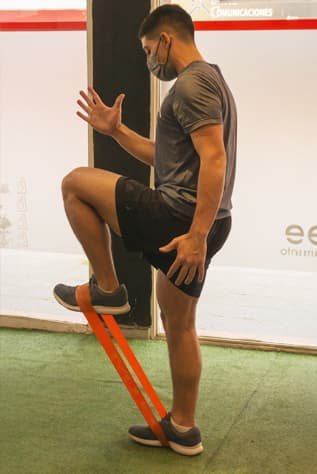
1. Standing Step Training
Starting Position: Stand upright near a countertop or another sturdy surface. Keep your feet side by side with enough room to step in different directions.
Exercise: Imagine a clock face on the floor. Have a partner call out different “times,” and step quickly in that direction—forward (12 o’clock), sideways (3 or 9 o’clock), or backward (6 o’clock). This drill sharpens both your balance and your reaction time.
2. Standing 3-Way Kicks
Starting Position: Stand on one leg with a slight bend in your knee, using a countertop for balance if needed.
Exercise: Slowly lift your other leg straight in front of you, then return it to center. Next, lift it out to the side, then back to center. Finally, extend it behind you and bring it back. Repeat several times before switching legs. To make it harder, try doing it without using your hands for support.
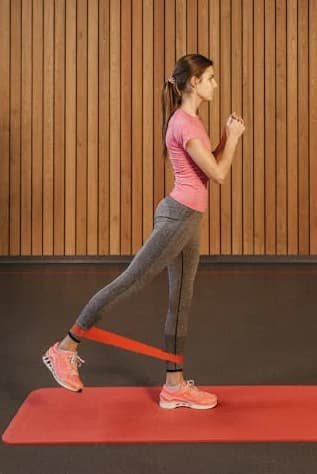
3. Sidestepping
Starting Position: Stand next to a sturdy surface with one hand lightly resting for support.
Exercise: Step sideways along the surface, keeping your toes pointing straight ahead. Move a few steps in one direction, then return the other way. Once you feel more confident, you can add a resistance band around your knees or ankles to make it more challenging.
4. Single-Leg Stance
Starting Position: Stand behind a chair or near a countertop you can grab if needed.
Exercise: Shift your weight onto one leg and lift the opposite foot a few inches off the ground. Hold this position for 10 to 30 seconds if you can, then switch legs. As your balance improves, try balancing without holding on or close your eyes for an extra challenge.
5. Heel-to-Toe Walk
Starting Position: Stand upright with your feet together, near a wall for support if needed.
Exercise: Step forward by placing the heel of one foot directly in front of the toes of the other foot, as if walking along a tightrope. Walk 10 to 20 steps forward, then carefully turn around and walk back. This exercise improves coordination and strengthens lower body muscles.
6. Sit-to-Stand Practice
Starting Position: Sit in a sturdy chair with both feet flat on the ground, hip-width apart.
Exercise: Without using your hands, lean forward slightly and push up to stand, then slowly lower yourself back down. Repeat this movement 10 to 15 times. Practicing sit-to-stand transitions strengthens your legs and helps maintain independence for daily activities.
“Adding balance exercises into your regular routine can make a major difference in preventing falls and staying active.”
These simple movements are easy to do at home and don’t require special equipment—just a sturdy surface and a little practice. Always check with your healthcare provider before starting any new exercise program, and work within your comfort zone. With consistency, you’ll build strength, boost your confidence, and improve your overall stability for years to come.