

Kayaking is one of those activities that looks easy until you’re actually in the water trying to go straight. Whether you’re renting a kayak for a weekend lake trip or starting to take it more seriously, getting the basics right early makes everything else easier. Here are 7 essential kayaking tips for beginners, plus a few things experienced paddlers still get wrong.
Essential kayaking tips for beginners
For more outdoor activity ideas, check out the Sports & Outdoors section.
1. Know your limits
Before heading out, be honest about your fitness level and what kind of water you’re comfortable on. Flat, calm water is the right starting point. Longer routes and moving water are worth working up to, not jumping into. Paddling upstream against a current is harder than most people expect the first time.
2. Bring the right safety gear
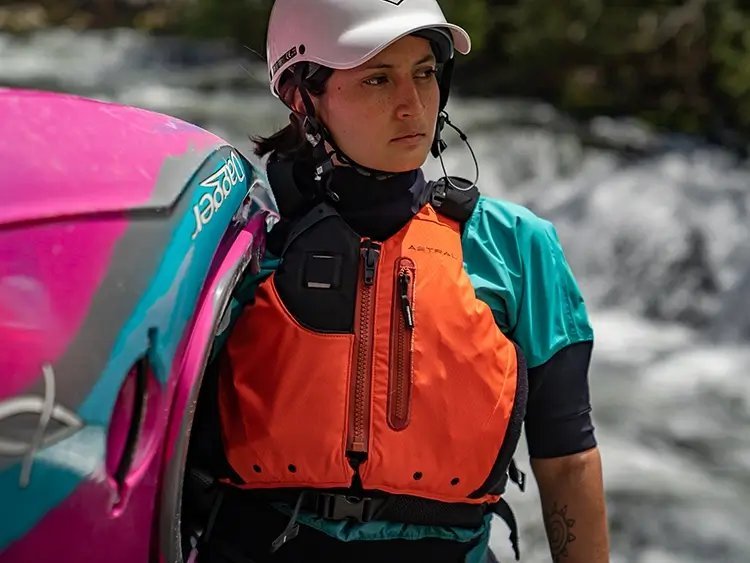
A well-fitted life jacket (PFD) is non-negotiable. Wear it the whole time, not just when you remember. A whistle is worth carrying for signaling in an emergency, and a short rope helps with towing or tying off the kayak. None of it takes much space and all of it matters when something goes wrong.
3. Practice getting in and out
This sounds basic, but a lot of first-timers capsize before they even paddle anywhere. Practice stepping in and out on land first, then try it at the water’s edge from both a dock and a flat shore. The awkward moment of shifting your weight as you lower yourself in is where most beginners flip.
4. Learn proper paddling form
Paddling with just your arms wears you out fast. The power comes from rotating your torso and using your core. Keep the blade fully submerged during each stroke, alternate sides, and don’t death-grip the paddle. A few minutes watching a tutorial or getting a quick lesson pays off for the whole trip.
5. Dress for the water temperature
The rule is to dress for the water, not the air. If you go in, the water temperature is what matters. Lightweight, quick-drying clothes work for most conditions, and long sleeves help on open water with a lot of sun. If the water is cold, a wetsuit is worth considering even when the air feels fine.
6. Learn basic hand signals
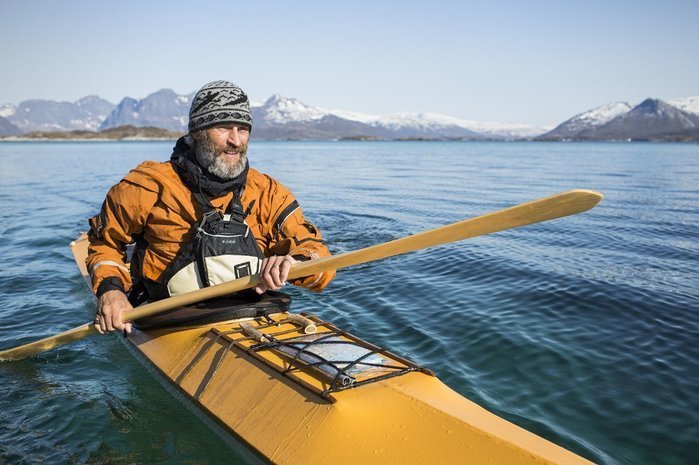
When you’re paddling with others or near boat traffic, hand signals are how you communicate. A raised fist means stop; pointing indicates direction. Look up the signals used in your area before you go, especially anywhere with other boats on the water.
7. Check the weather and plan your route
Look at the forecast the morning of, not just the night before. Wind picks up fast on open water and can make conditions much harder than expected. Know your exit points, and check whether there are hazards on your route like dams or fast sections. The American Canoe Association has safety resources and trip planning guides worth reading before your first outing.
Before you go
Getting on the water for the first time doesn’t require a lot of gear or experience. A bit of preparation handles most beginner problems before they start. Know the water you’re getting on, dress for it, and wear the life jacket. The rest gets easier the more you paddle.