

If you’ve been meaning to spend more time outside but aren’t sure where to start, these five activities cover a good range of effort levels and don’t require much experience to try. They’re also among the most popular outdoor activities for women right now, which means finding a beginner session or a group to go with is usually straightforward.
Popular outdoor activities for women
More ideas in the Sports & Outdoors section.
1. Hiking
Hiking is the easiest entry point into outdoor activity for most people. It suits most fitness levels, costs very little to get started, and the barrier to entry is low: a decent pair of boots and somewhere to go. What it looks like varies enormously. A two-hour nature walk and a full-day mountain route are both hiking, and you don’t need to commit to anything strenuous to get something out of it.
The appeal tends to build the more you do it. Learning to read terrain, finding quieter trails, and getting to a high point with a clear view are things that don’t translate well until you’ve experienced them.
2. Stand up paddleboarding
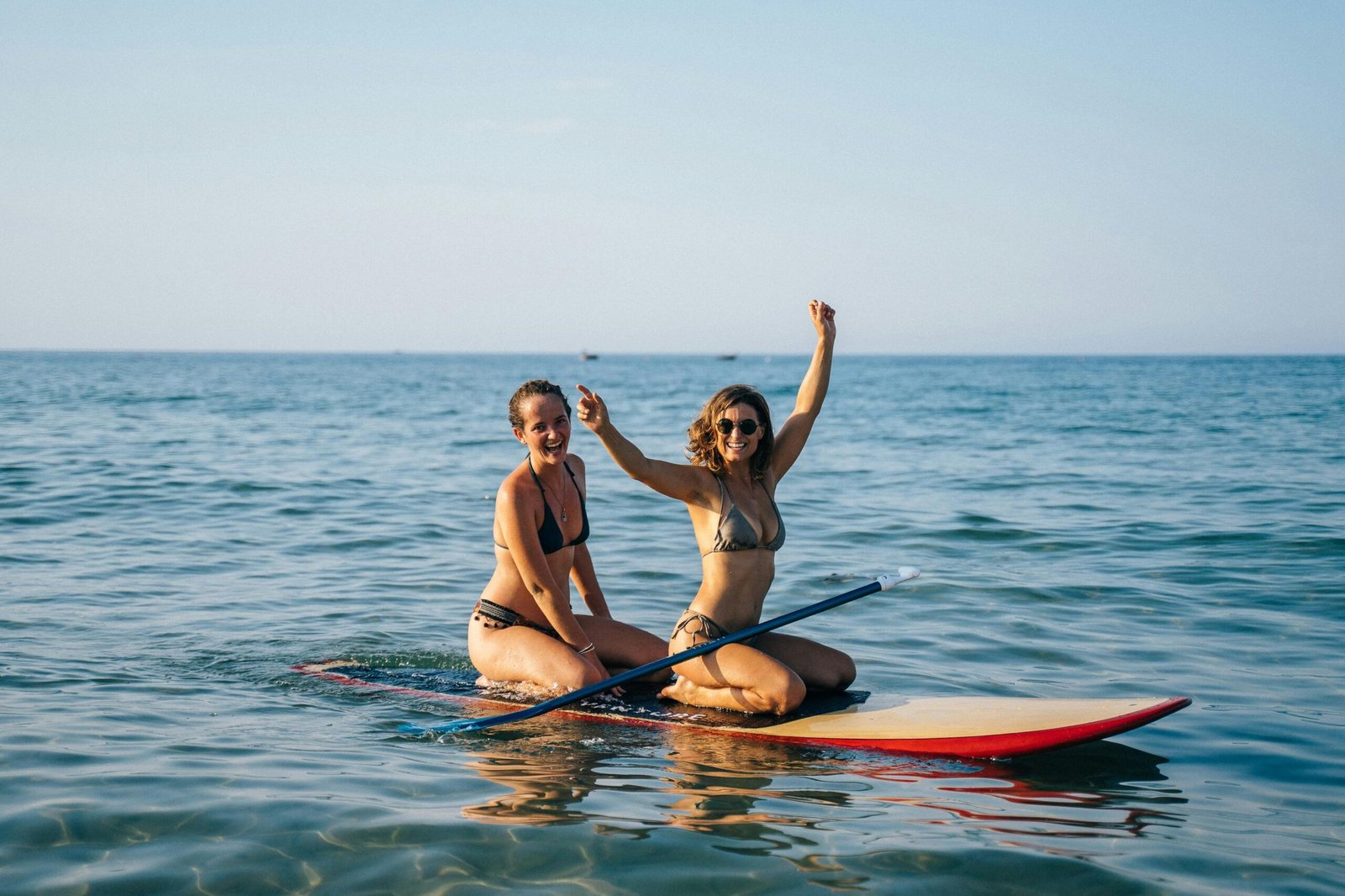
Stand up paddleboarding (SUP) is more approachable than it looks. Most people get the basics within their first hour on the water. Expect to fall in early on. That’s normal and honestly part of what makes the first session fun rather than intimidating.
Once the balance settles, SUP is genuinely calm in a way that’s hard to replicate on land. The combination of light physical effort, water, and open space has a quieting effect. Lakes and flat rivers are the best starting environments for beginners.
3. Climbing
Climbing takes more commitment to get into than hiking or paddleboarding, but the payoff is real. Reaching the top of a route you weren’t confident you could complete is a specific kind of satisfaction that’s hard to find elsewhere. It requires both physical effort and problem-solving, which keeps it engaging in a way that purely cardio activities often don’t.
Bouldering, which is low-height climbing without ropes, is a low-pressure way to try it before committing to a full session. Outdoor routes add scenery as part of the experience.
4. Wild swimming
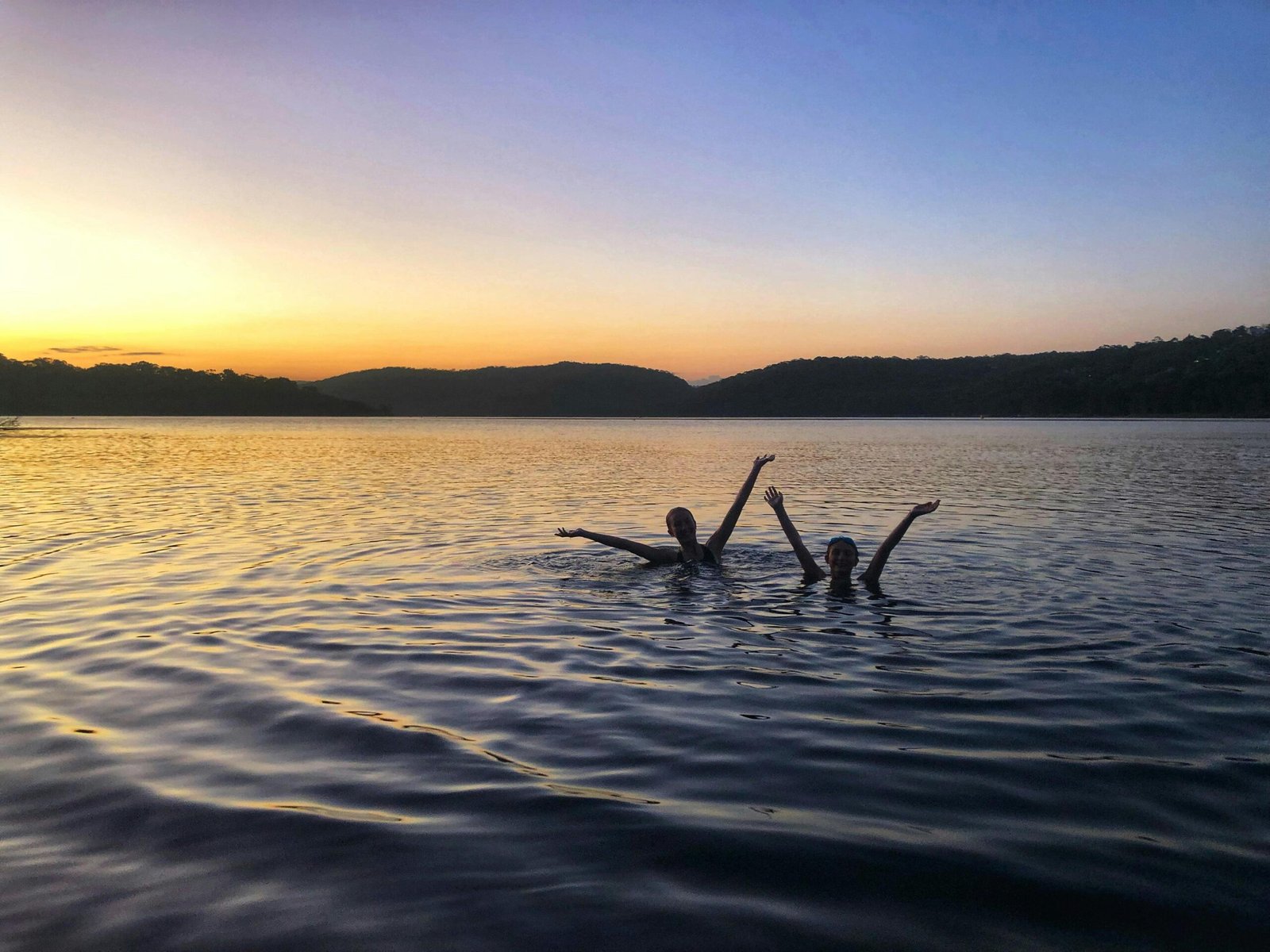
Wild swimming has a well-earned reputation for being cold. It is cold. The first few minutes are the hardest part, and then the shock passes and most people find it energizing rather than unpleasant. Lakes, rivers, and natural pools each have their own character and conditions, so no two swims are quite the same.
Regular cold-water swimming is associated with better circulation and faster muscle recovery. The more immediate effect is usually just feeling very awake. Starting at an established swim spot with clear safety information is the sensible approach for anyone new to it.
5. Navigation
Learning to navigate with a map and compass doesn’t have an exciting reputation, but it’s a practical skill that genuinely changes how you can use the outdoors. Being able to plan and follow a route independently, without relying on marked trails or phone signal, opens up a lot of places that most people never reach.
Basic navigation courses cover map reading, contour interpretation, and compass use. The American Hiking Society has trail resources and guides useful for anyone building more independence outdoors.
Where to start
Hiking is the obvious first step because the setup is minimal and you can increase the difficulty gradually. Wild swimming is the quickest way to have an experience that feels completely different from everyday life. SUP and climbing both benefit from a single introductory session before going out alone. Navigation is best treated as something to add once you’re already spending regular time outside.